Fulfillment Insights for
Supplement, Beauty & Wellness Brands
Operational Strategies and 3PL Expertise for Modern Health and Wellness Brands Scaling DTC, Retail, and Wholesale Operations
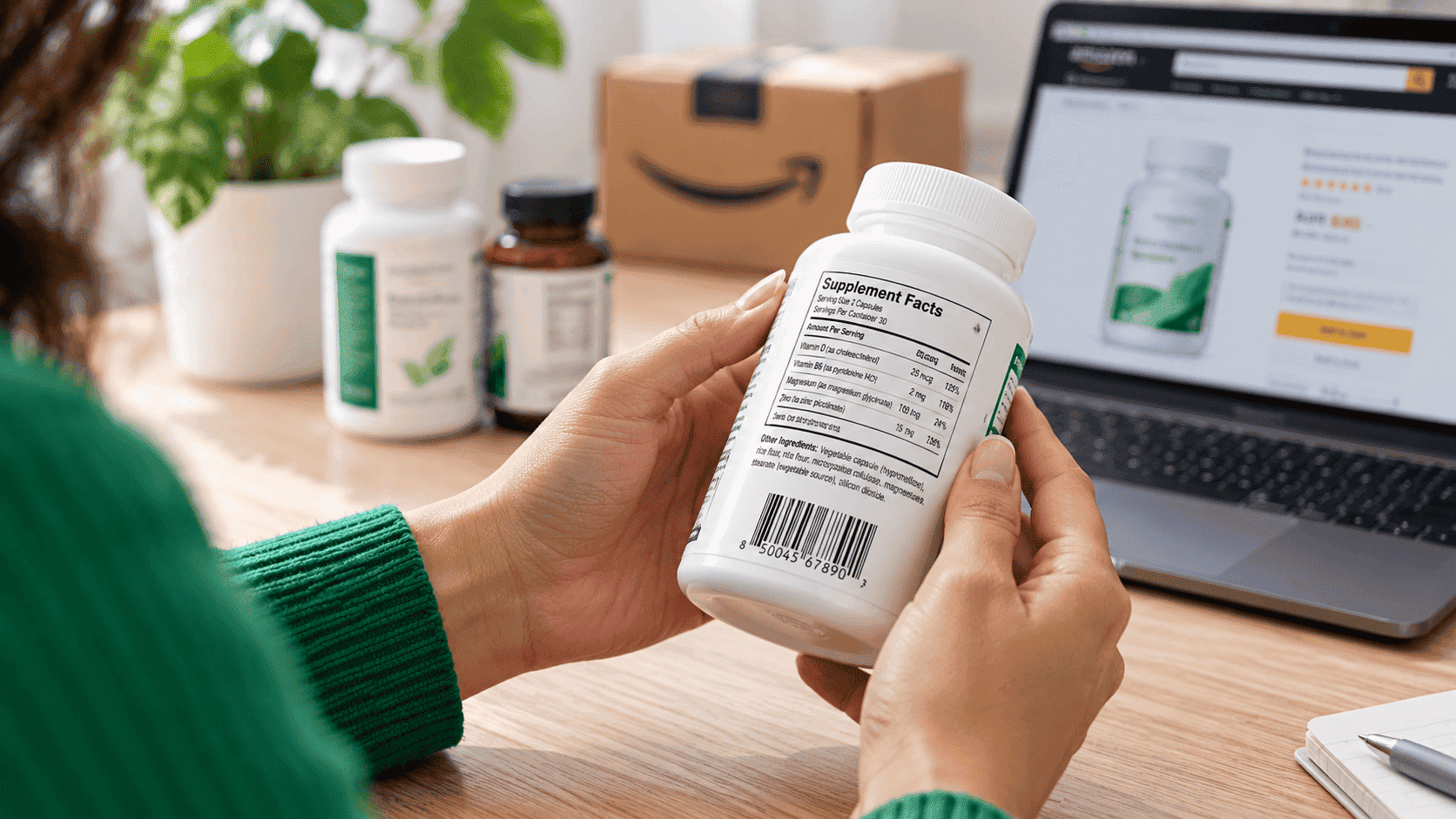
Every online order starts a chain of work the moment the customer clicks “buy.” The product has to be found on a shelf, packed correctly, labeled, and handed to a carrier. That chain is ecommerce fulfillment, and how well it runs shapes delivery times, return rates, and whether customers order again. This article covers what it means, how the process works, the main fulfillment models, and what changes when the products are consumables like supplements and skincare.
What Is Ecommerce Fulfillment?
Ecommerce fulfillment (also written e-commerce fulfillment) is the process of receiving, storing, picking, packing, and shipping products sold online, plus handling the returns that come back. In simple terms, it covers everything that happens between an online order being placed and that order arriving at the customer’s door.
The terms ecommerce fulfillment and ecommerce order fulfillment are often used interchangeably. Strictly speaking, order fulfillment in ecommerce refers to the work done on each individual order, while ecommerce fulfillment also includes the operations around it, such as inventory management and returns. A brand can run fulfillment itself, use a marketplace program like Amazon’s, or hand it to a third-party logistics (3PL) provider that offers ecommerce fulfillment services on its behalf.
How Does Ecommerce Fulfillment Work?
The ecommerce fulfillment process follows the same core steps whether a brand ships ten orders a day or several thousand.
1. Receiving and Storing Inventory
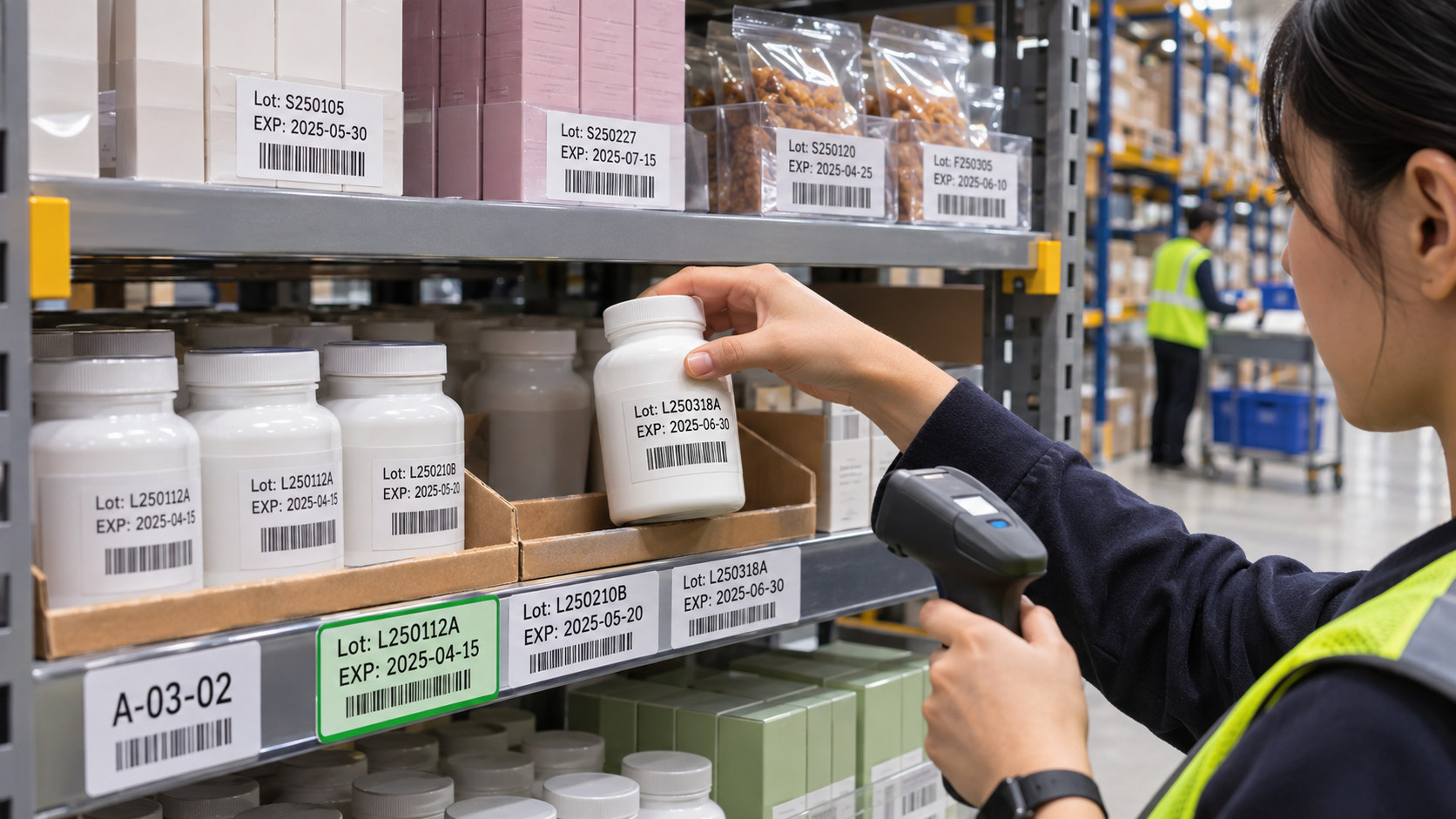
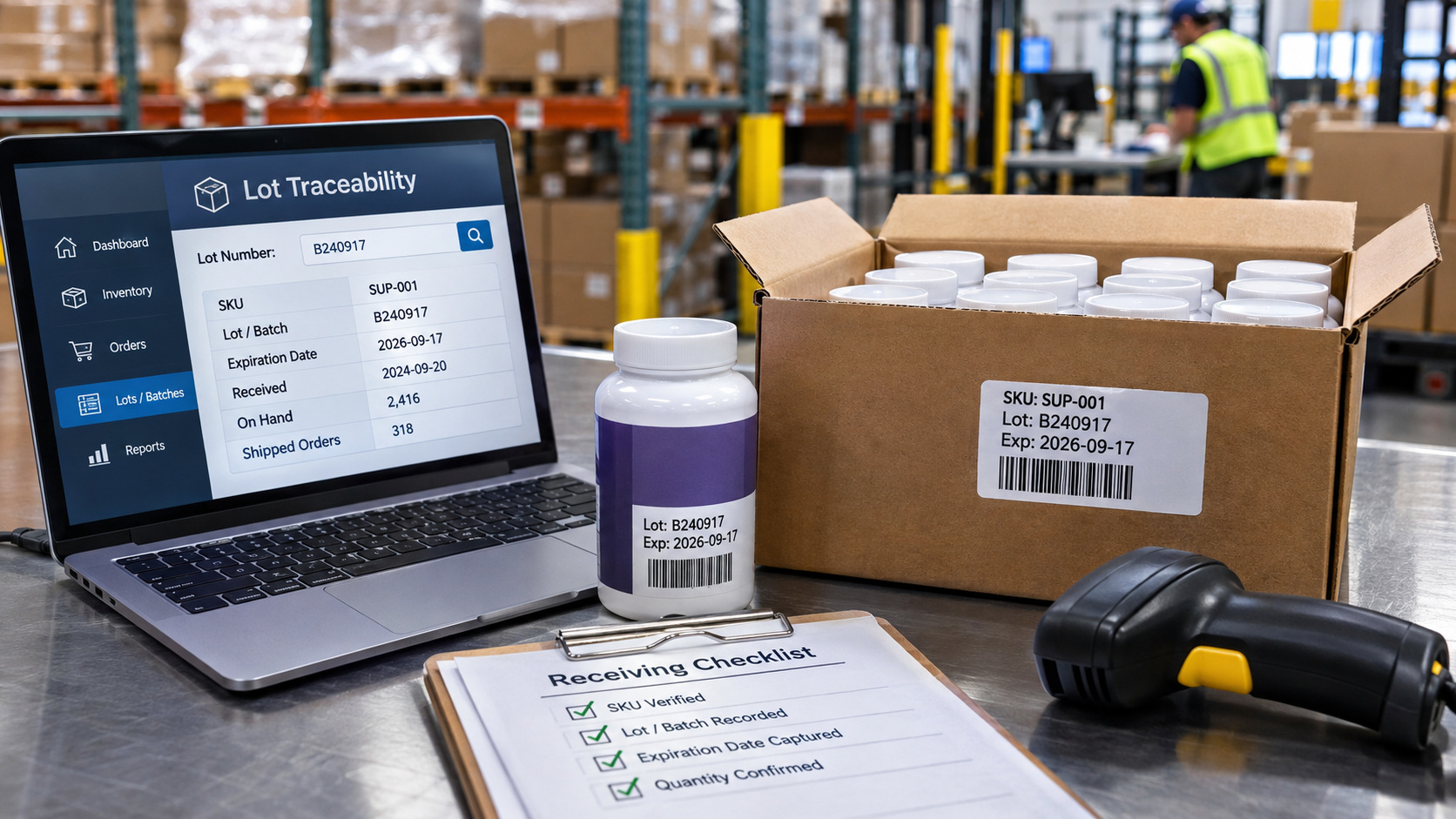
Inventory arrives at the fulfillment center, is counted against the purchase order, and is checked for damage before it is put away. Each SKU gets a storage location so it can be found quickly later. For consumable products, this is also when lot numbers and best-by dates should be recorded, because every later step depends on that data being accurate.
2. Order Processing
When a customer checks out, the order flows from the store (Shopify, WooCommerce, Amazon, or another platform) into the warehouse management system. The system confirms stock is available, releases the order for picking, and flags anything that needs special handling.
3. Picking and Packing
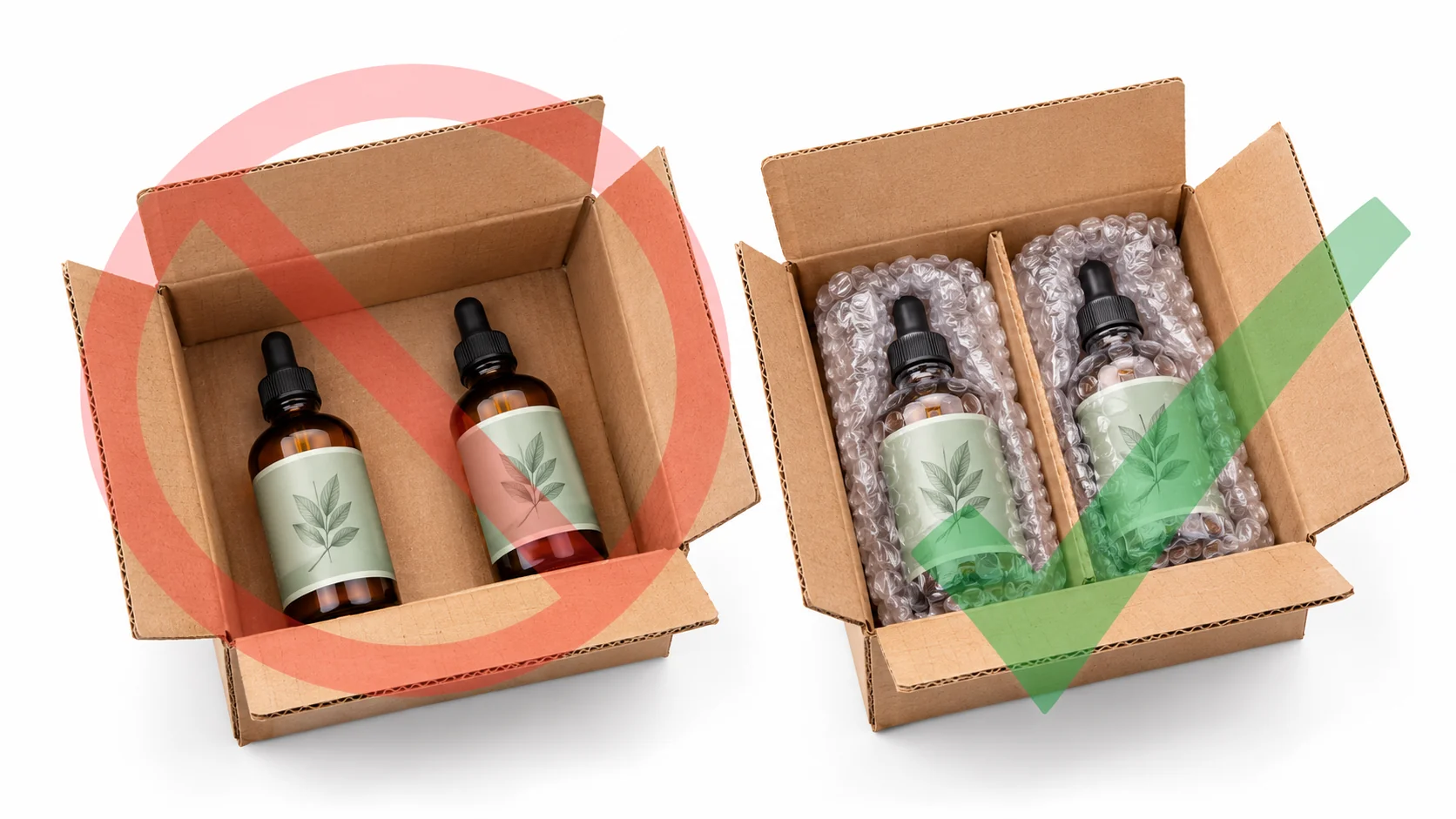
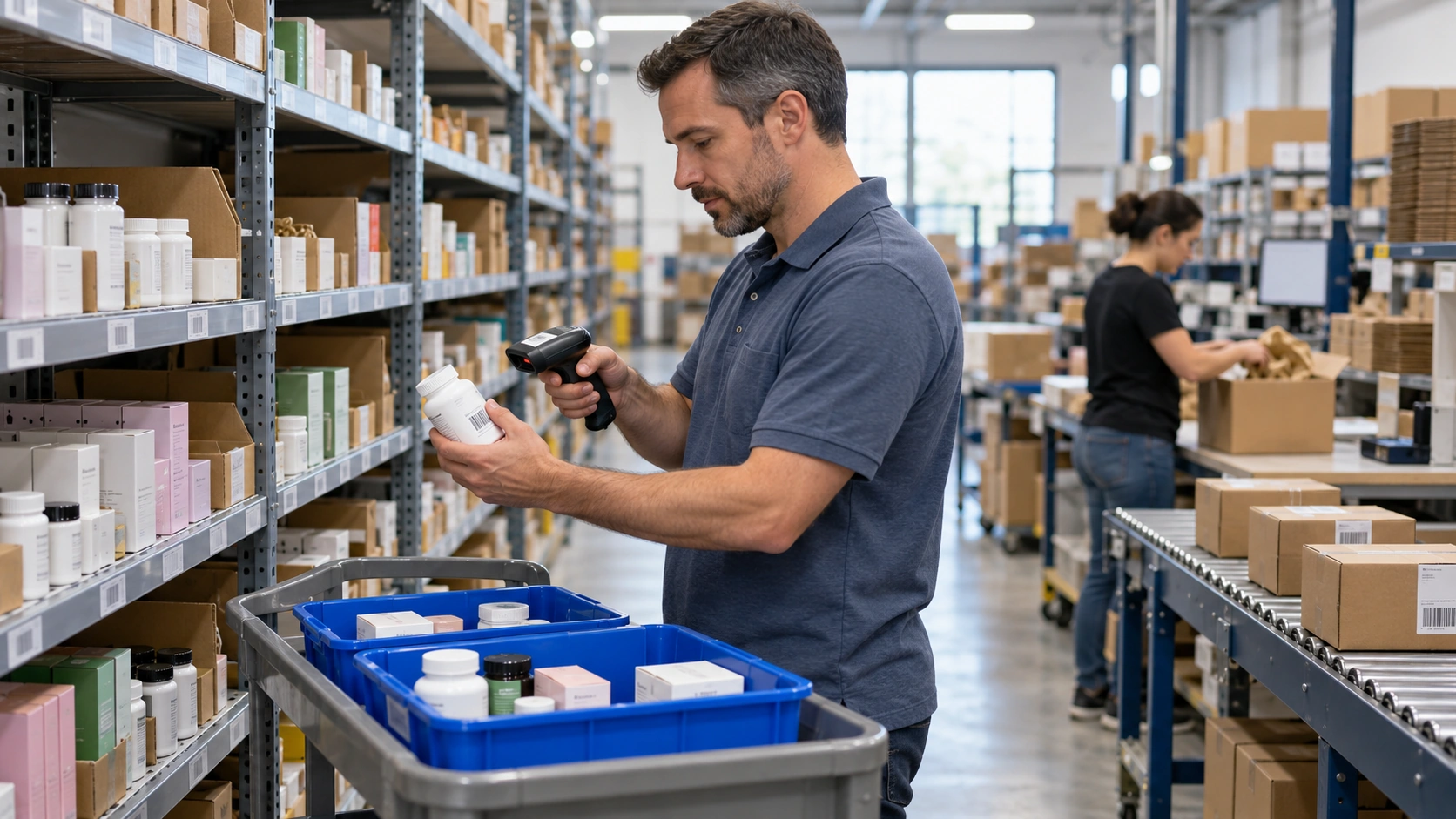
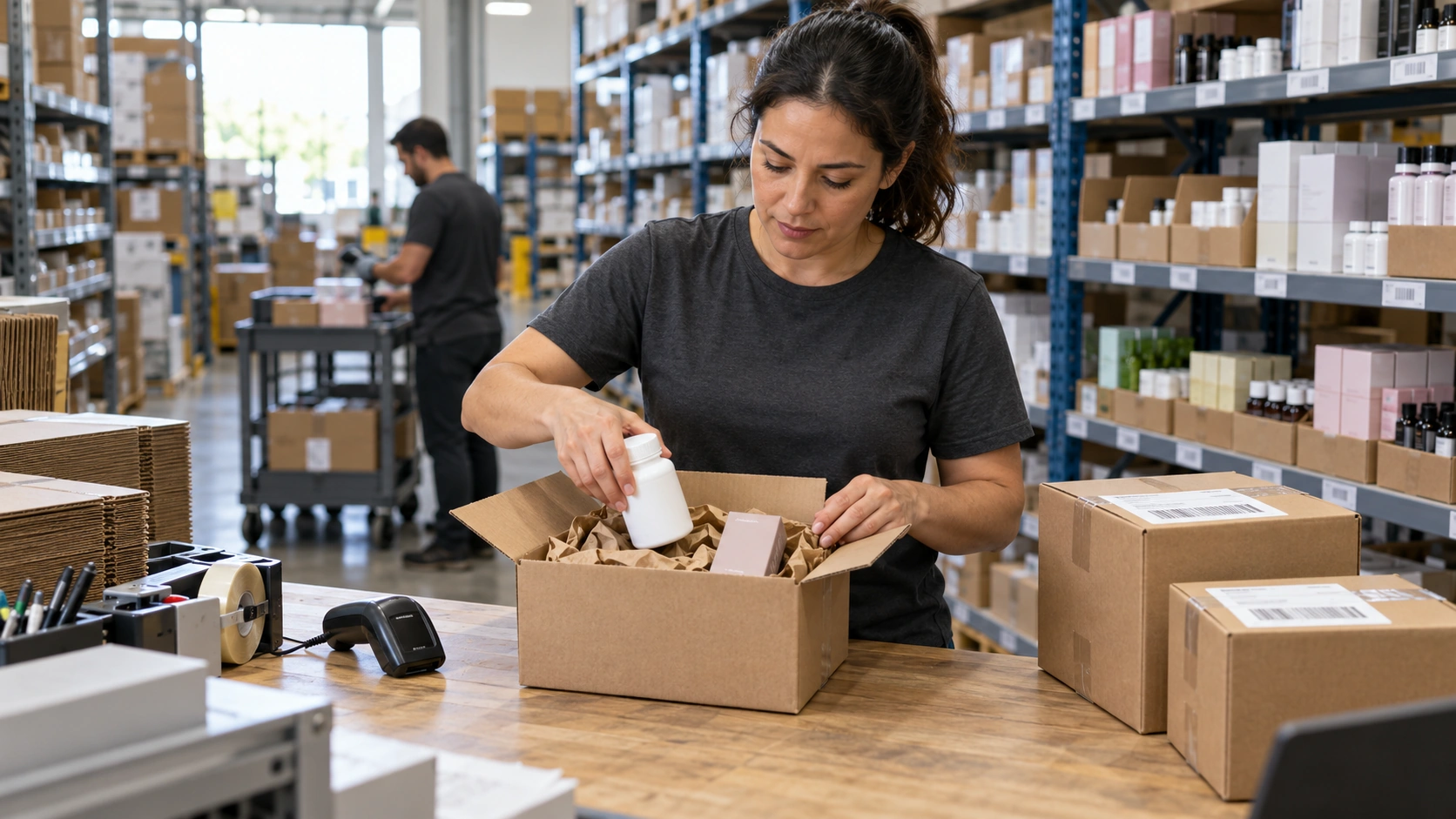
Warehouse staff pick the ordered items from their locations and pack them for shipment. Accuracy matters most here, since a wrong item means a return, a reshipment, and an unhappy customer. Packing is also where value-added work happens, such as building bundles through kitting and assembly, adding inserts, or following a box map that lays products out in a specific order. Our pick and pack services page covers this step in more detail.
4. Shipping and Delivery
Packed orders are labeled and handed to the carrier, and tracking details are sent back to the store so the customer can follow the delivery. Total delivery time depends on how quickly the fulfillment provider processes the order and how far the package has to travel.
5. Returns
Returned items are inspected and either restocked or set aside, and the customer’s refund or exchange is triggered.
What Does an Ecommerce Fulfillment Center Do?
An ecommerce fulfillment center is a facility built to process online orders quickly and ship them straight to consumers. It differs from a traditional warehouse in what it is optimized for. A warehouse is designed to store goods, often on pallets, for long periods and move them out in bulk. A fulfillment center keeps inventory moving: products sit in locations sized for single-unit picks, orders are processed every business day, and most shipments leave as small parcels.
Ecommerce Fulfillment Models
There is no single way to fulfill online orders. These are the five most common ecommerce fulfillment models.
In-House Fulfillment
The brand stores and ships its own inventory. It offers full control and suits very early-stage brands, but it ties up space, staff, and founder time as volume grows. Here is how to tell when to outsource fulfillment.
Third-Party Logistics (3PL)
A 3PL stores inventory and fulfills orders for the brand, usually across several sales channels. It is the most common model for growing DTC brands because it scales without the brand building its own warehouse. Costs depend on the provider’s pricing structure, which our guide to 3PL fulfillment pricing breaks down, and fit depends on choosing the right 3PL for your products.
Amazon FBA
Fulfillment by Amazon handles orders placed on Amazon, but it comes with strict prep and labeling rules that many brands meet through FBA prep services. It is also less flexible for orders coming from a brand’s own website.
Dropshipping
The supplier ships directly to the customer, so the seller never holds inventory. It requires little capital, but the seller has limited control over quality, packaging, and delivery times.
Hybrid Fulfillment
A hybrid model combines two or more of the above, such as a 3PL for website orders and FBA for Amazon orders.
Whatever the model, brands also decide where inventory sits. Multi-node networks split stock across several warehouses to get closer to customers, which helps brands shipping many thousands of orders a day but adds transfer costs and planning work. A centralized setup keeps all stock in one location in the middle of the country, from which most US addresses can be reached in about two business days by ground. For subscription and repeat-purchase brands, whose customers reorder before running out, that is usually fast enough without the cost of splitting inventory.
Fulfillment for Supplements, Beauty, and Other Consumables
Products that people ingest or apply to their skin add requirements that general merchandise does not have:
- Lot control: every unit shipped should be traceable to its production lot, so a quality issue or recall can be isolated quickly.
- FIFO and best-by date picking: older stock should ship first, and orders should reach customers with plenty of shelf life left.
- Careful handling: an FDA-registered facility and cGMP-aligned handling help protect product integrity from receiving to shipping.
NDN Fulfillment is built around these requirements. From its centrally located Oklahoma City facility, NDN provides next-business-day supplement fulfillment, along with beauty and CPG order fulfillment, with lot control, FIFO and best-by date shipping, and kitting and inserts handled in-house. Because NDN is part of a vertically integrated group, brands that also manufacture with the group can have finished goods moved straight into fulfillment, with no freight leg in between.
Ecommerce Fulfillment FAQs
Is ecommerce fulfillment the same as order fulfillment?
Mostly. Order fulfillment is the broader term for getting any order to its destination, including wholesale and retail orders. Ecommerce fulfillment refers specifically to orders placed online and shipped as individual parcels to consumers, and it usually includes inventory management and returns. In practice, most DTC brands and 3PLs use the two terms for the same set of services.
How fast should ecommerce orders ship?
Most DTC brands aim to ship orders within one business day of purchase, and total delivery time then depends on the shipping method and distance. NDN ships orders by the next business day, and its central US location means ground delivery reaches most customers in about two business days.
What should supplement brands look for in a fulfillment partner?
Beyond speed and accuracy, supplement brands need a partner that understands consumables. Look for lot tracking, FIFO or best-by date picking, an FDA-registered facility, and experience with the formats you sell, such as capsules, powders, or gummies. Value-added services like kitting or subscription box fulfillment also matter as you grow.
Get Started
Use our Fulfillment Fees Calculator to evaluate your current fulfillment structure and identify operational gaps that may impact retail and wholesale growth.
If you’re evaluating B2B fulfillment partners, request a quote to see how your operation can be structured to support retailer compliance, inventory visibility, and scalable fulfillment execution.
Recent Posts