Operational Strategies and 3PL Expertise for Modern Health and Wellness Brands Scaling DTC, Retail, and Wholesale Operations
Most brands start by handling fulfillment in-house.
At first, it works.
Orders are manageable. Inventory is simple. The operation feels under control.
But then something shifts.
Order volume increases. Product lines expand. Complexity builds. And fulfillment starts taking up more time, more attention, and more of the business than it should.
What used to be a simple function becomes a constant source of friction.
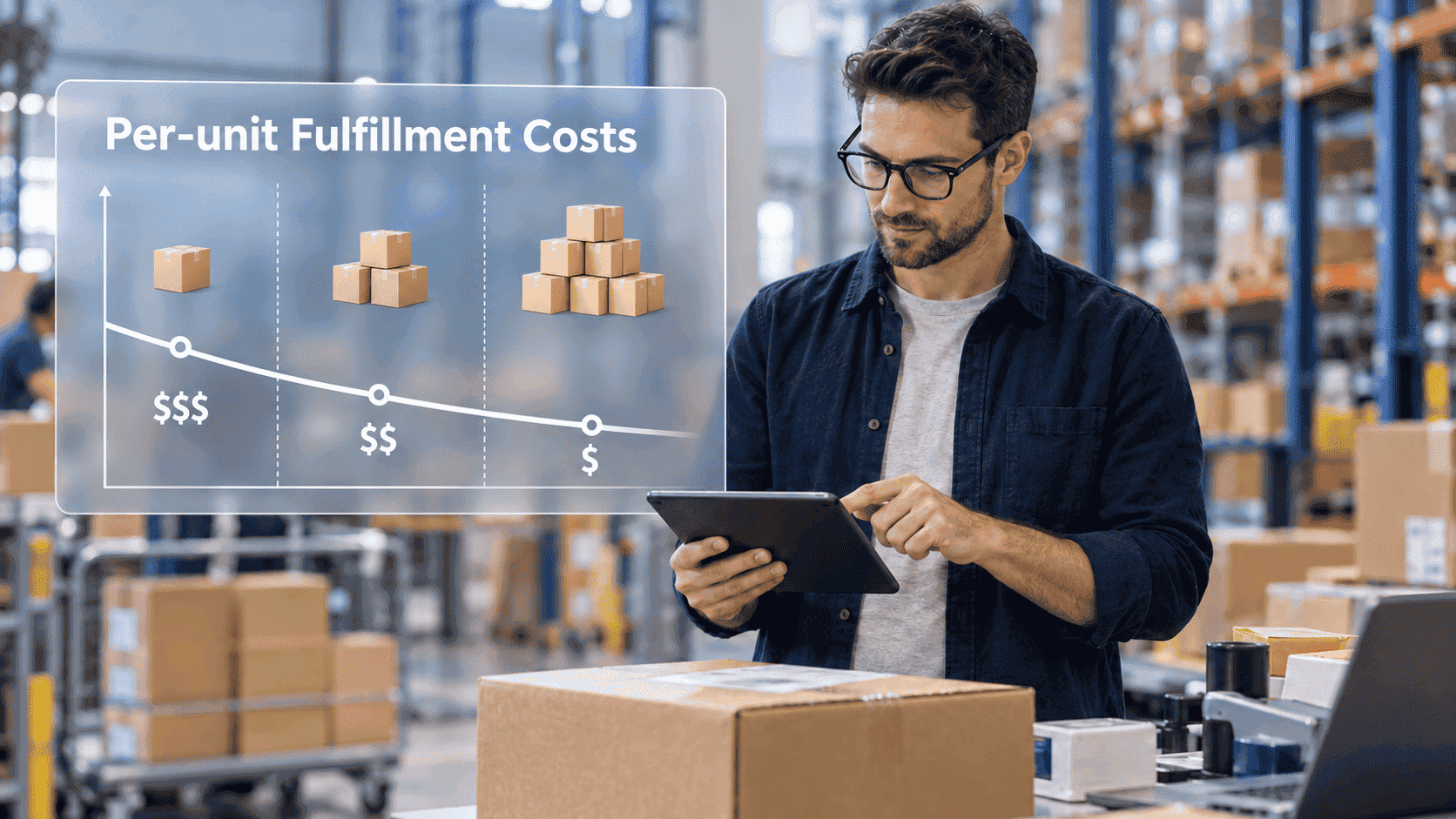
According to the 2026 Third-Party Logistics Study, companies that outsource fulfillment are better able to focus on their core business operations.
That shift doesn’t happen randomly. It happens when internal systems can no longer keep up with growth.
“Fulfillment doesn’t fail all at once. It fails when no one adjusts the system as the business grows.” — Steven Anderson, CEO, NDN Fulfillment
Outsource too early, and you introduce unnecessary cost and complexity.
Wait too long, and fulfillment becomes a bottleneck that impacts customer experience, team performance, and your ability to scale.
The decision comes down to timing.
Most brands don’t make this decision based on operational readiness.
They make it based on pressure.
Some outsource early because they assume it’s the next step in growth. Others hold on too long because they want to maintain control or avoid added cost.
Both approaches create problems.
Outsourcing too early often leads to:
Waiting too long creates a different set of issues:
The underlying issue is the same in both cases.
The decision is being made without a clear understanding of operational capacity.
Fulfillment is a system with limits.
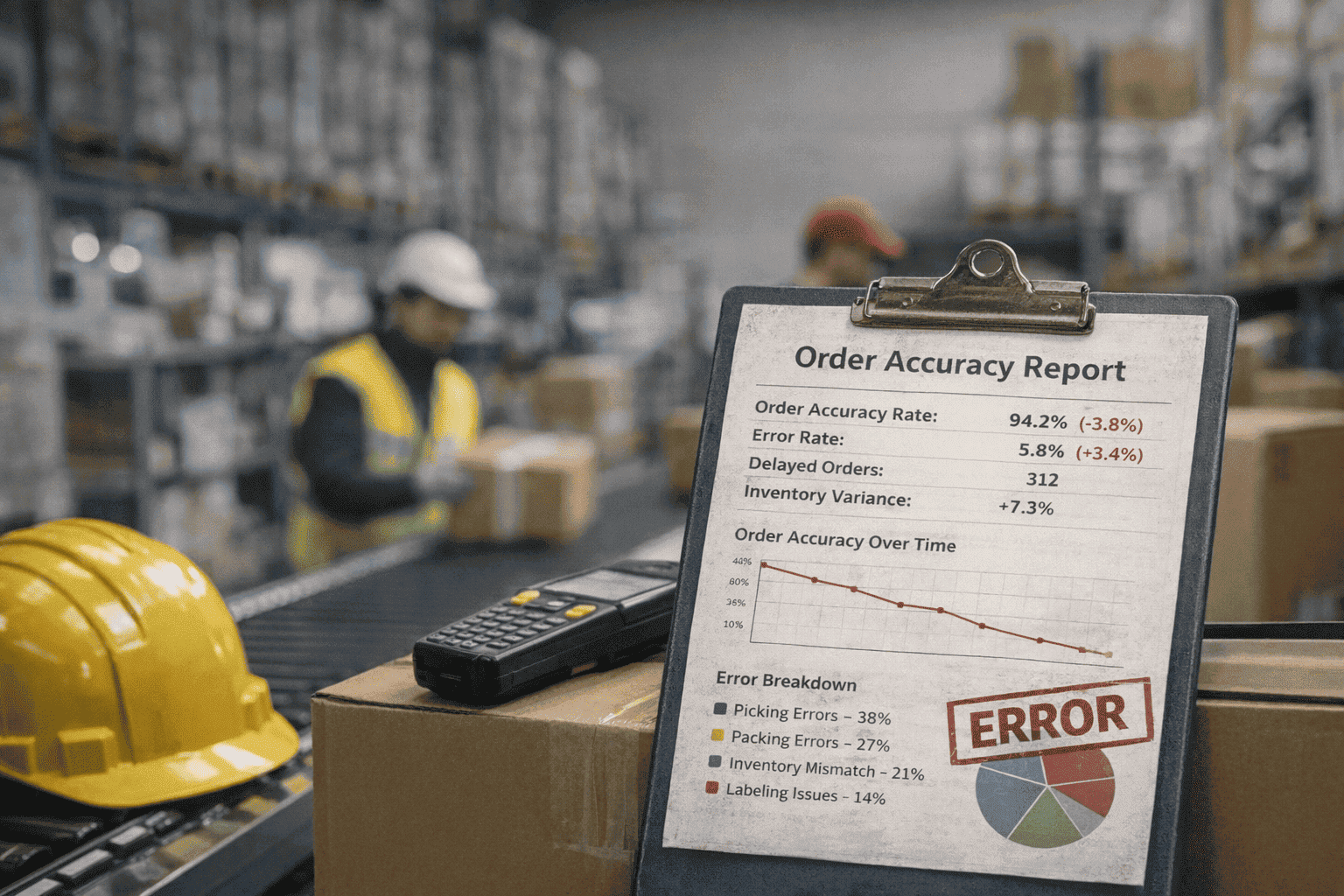
When those limits are exceeded, performance drops. The change is gradual and often goes unnoticed until customers begin to feel it.

There isn’t a single threshold that applies to every brand.
But there are consistent signals that indicate your operation is reaching its limits.
Growth is sustained, not sporadic.
You’re seeing volume in the range of 500 to 1,000 orders per month or more, and it continues to trend upward.
At this point, fulfillment becomes less about handling orders and more about managing a system.
What used to take a few hours now takes up entire days.
Founders and operators are pulled into:
Small mistakes begin to appear:
Individually, these may seem manageable.
At scale, they impact customer trust and retention.
You’re running out of room.
You’re hiring to keep up with fulfillment instead of building for growth.
Operational decisions begin to reflect limitations rather than strategy.
You’re planning:
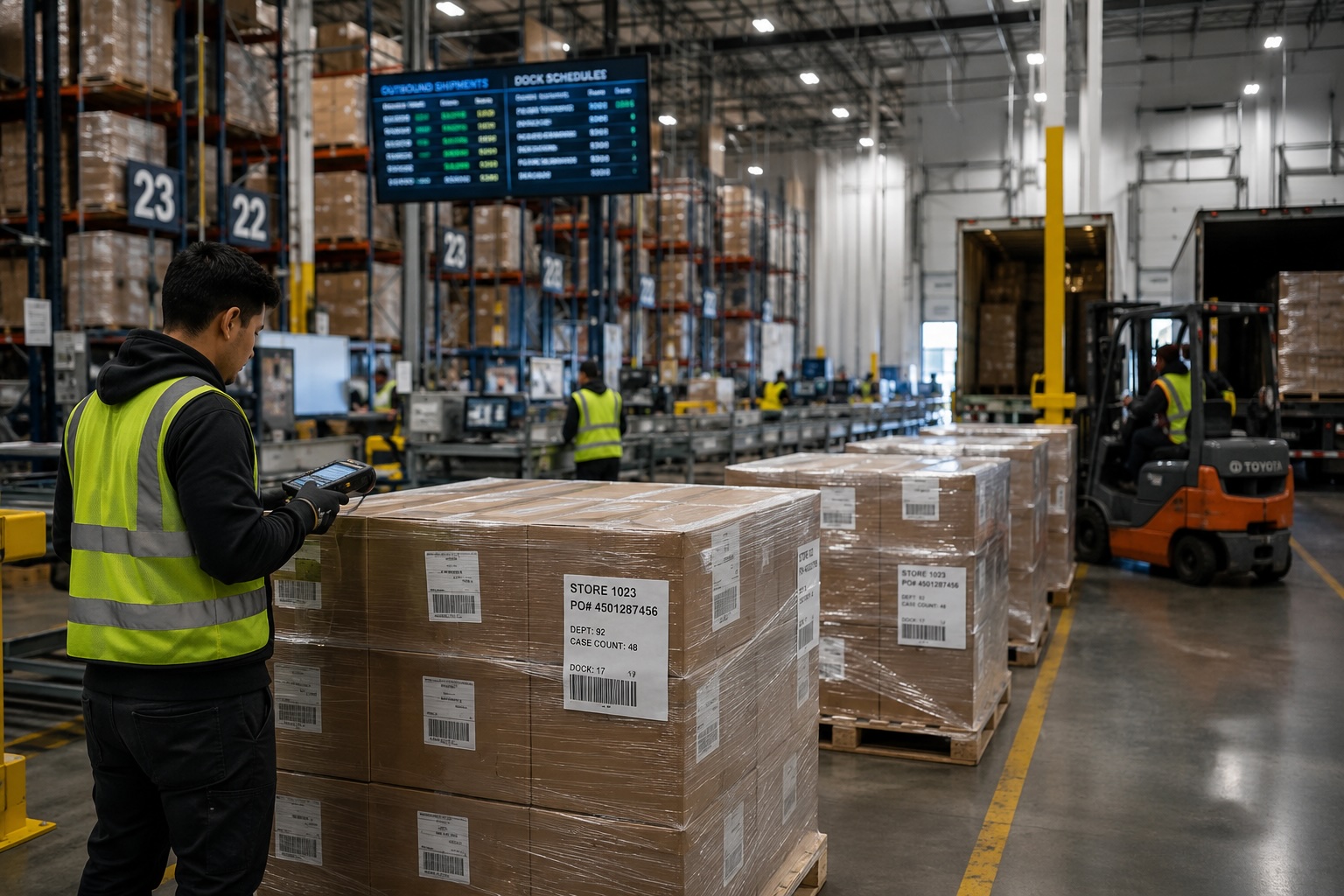
When every order ships from one spot, customers on the other side of the country wait longer and pay more. Rising shipping costs and stretched transit times to far-off regions are a signal your current setup is working against you. A fulfillment partner built for broad national reach can shorten delivery windows and lower per-order shipping cost, without you having to open a second location yourself. If distance is quietly eroding your margins and your delivery promise, you’re ready to outsource.
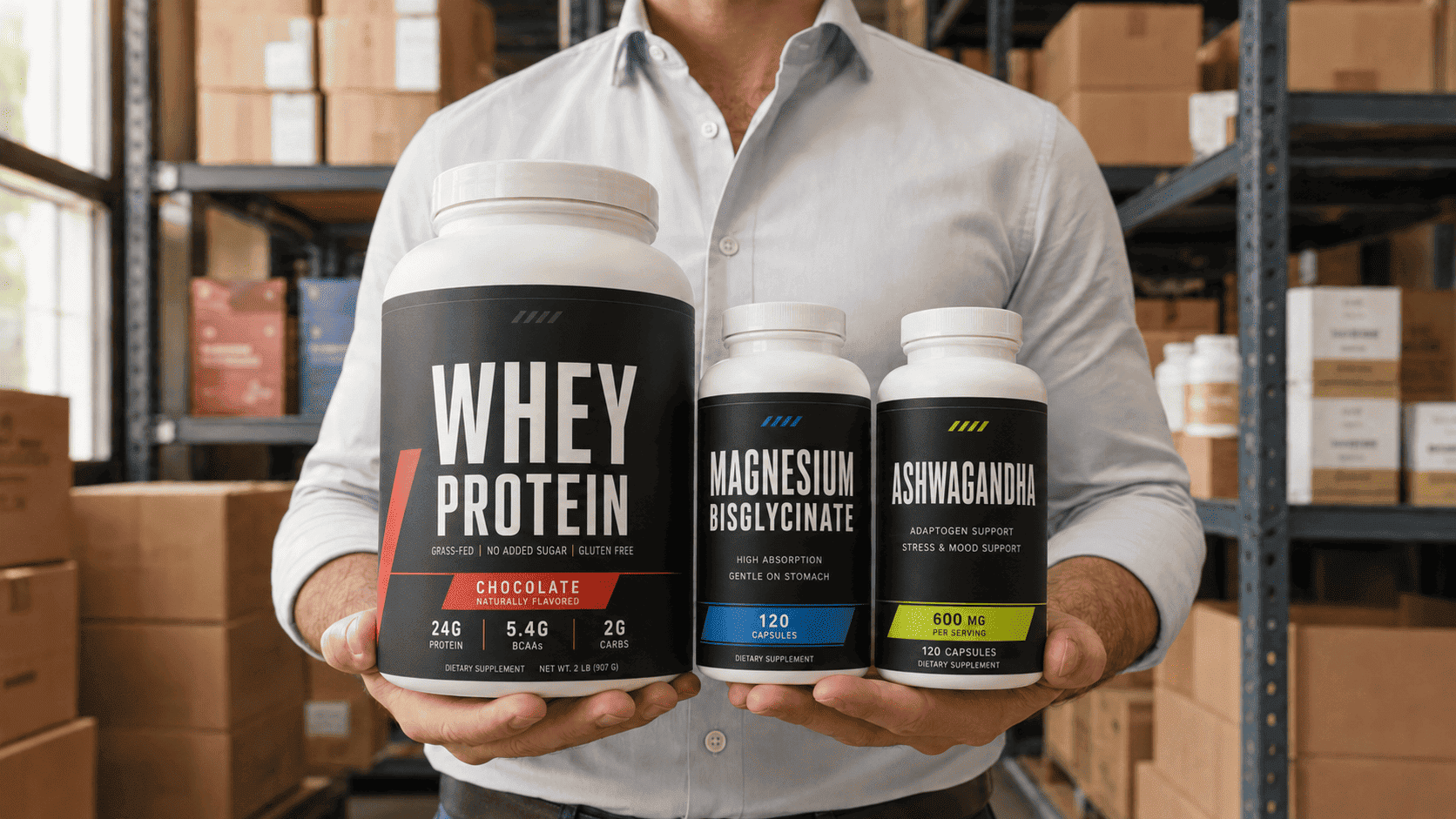
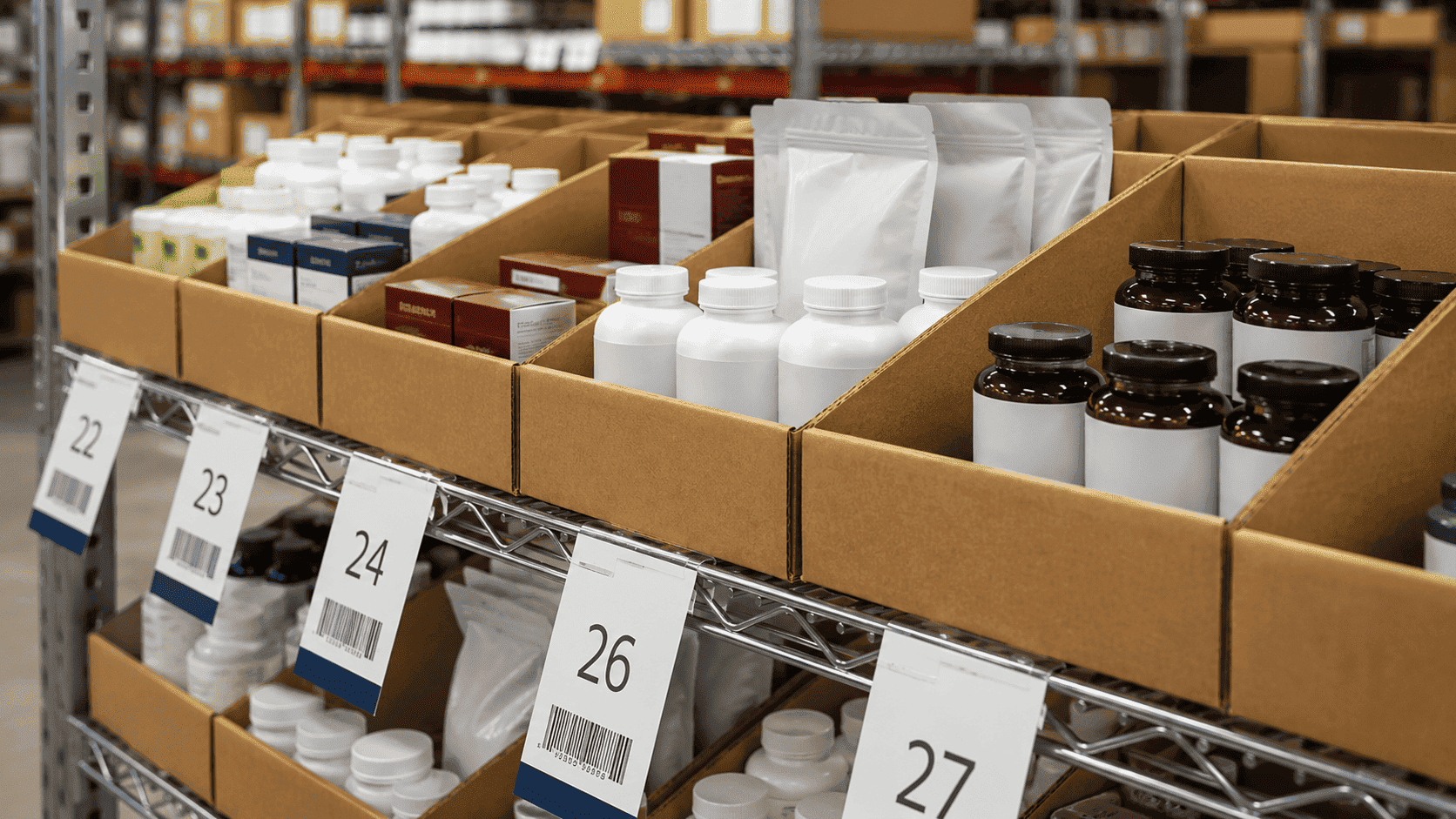
This becomes especially important for brands in regulated or high-touch categories like dietary supplements, health and wellness, and beauty products, where fulfillment requirements are more complex.
Your current setup may function today, but it won’t support what’s next.
When these signals start to stack, fulfillment is becoming a bottleneck.
Not every brand should move to a 3PL immediately.
In some cases, staying in-house is the better decision.
If volume fluctuates significantly or remains low, outsourcing can introduce unnecessary cost and complexity.
Consistency matters more than peaks.
If you’re frequently changing:
Your operation may not be stable enough for a structured fulfillment system.
Before outsourcing, you should understand:
In early stages, proximity to fulfillment can be valuable.
It helps you:
That insight becomes less direct once fulfillment is outsourced.
Outsourcing at the wrong time introduces new challenges without resolving existing ones.
At a certain stage, this decision becomes unavoidable.
You’re choosing between two different operating models.
At early stages, it works.
You have:
As volume grows, the limitations become clear:
A strong third-party logistics partner introduces:
It also requires:
This decision changes how fulfillment operates.
In-house fulfillment relies heavily on manual execution.
A well-run 3PL operates through defined systems.
Systems create consistency, and consistency supports scale.
Outsourcing order fulfillment trades hands-on control for capacity and focus. For most growing brands the trade is worth it, but only if you go in knowing both sides. Here is the honest breakdown.
You give up direct control over the physical packing process, so your standards have to be documented and agreed upfront.
There are real costs to weigh: setup, onboarding, and monthly storage or account fees.
You are trusting an outside team with a daily, customer-facing part of your business, which takes time to build.
Onboarding is not instant, so the payoff arrives after the transition, not on day one.
The cons are manageable when you choose deliberately and plan the transition. The pros compound as volume grows. That is why the decision usually comes down to timing rather than whether to outsource at all.
Most brands don’t outsource fulfillment because they’re ready.
They do it because they’ve hit a breaking point.
By then, the cost is already visible.
It shows up as:
These are not isolated issues.
They are signals that your fulfillment system is no longer keeping up.
It extends beyond operational mistakes.
It includes:
Delaying the decision increases complexity.
Outsourcing fulfillment restructures how work is handled.
When done correctly, it creates leverage.
Internal teams move away from:
And toward:
You move from managing tasks to operating within a structured system.
That shift supports growth without increasing operational complexity.
The transition to a 3PL requires preparation.
Establish:
A proper onboarding process takes time.
Rushing leads to:
Outsourcing fulfillment is an operational shift.
Handled at the right time, it creates leverage.
Handled at the wrong time, it introduces friction.
Recognizing when your current system is no longer supporting your growth is what drives the right decision.
The decision comes down to timing.
You’re ready to outsource when fulfillment starts limiting the business instead of supporting it. The clearest signals are consistent order growth, founders and staff spending whole days packing and managing inventory, rising error rates, and running out of space or hiring just to keep orders moving. Preparing for a launch, retail expansion, or a seasonal surge you cannot staff for is another sign. When these stack up, fulfillment has become a bottleneck, and a 3PL usually pays off.
Many brands reach the tipping point around 500 to 1,000 orders per month, or roughly 50 to 100 orders per day, though the number matters less than the pattern. Consistent, sustained volume that keeps trending up is the real trigger, not a one-time spike. If manual pick-and-pack is capping how many orders you can ship in a day, you have likely outgrown in-house fulfillment. Low or erratic volume, by contrast, is a reason to wait.
The main pros are time back for growth, scalable capacity without hiring or leasing space, more consistent order accuracy, and easier handling of demand spikes. The main cons are less direct control over packing, setup and monthly fees, the trust required in an outside partner, and onboarding time before the benefit lands. For most growing brands the pros outweigh the cons once volume is consistent, which is why timing matters more than the decision itself.
Hold off when your order volume is low or inconsistent, since fixed 3PL fees can outweigh the benefit at small scale. Wait if your product, packaging, or offers are still changing often, because an unstable operation is hard to systemize. It also helps to know your unit economics, cost per order, margins, and fulfillment costs, before you outsource. And in early stages, hands-on control can teach you things about your product and customers that are harder to see once fulfillment moves out.
Yes. Handling seasonal spikes, promotions, and holiday surges is one of the strongest reasons brands outsource. A fulfillment partner can absorb higher order volume without you scrambling to find temporary space, staff, and hours at the last minute. That matters most in the weeks when in-house workarounds break down and mistakes are most visible to customers. If you already dread peak season with your current setup, that pressure is itself a signal you’re ready.
No, though it does change what control looks like. You hand over the physical work of picking, packing, and shipping, but you keep ownership of your standards, packaging experience, and customer communication. The key is documenting how orders should be packed and how exceptions are handled before onboarding, so the partner executes your standards rather than their defaults. Brands that lose control usually skipped that step, not because outsourcing itself takes it away.
Outsourcing order fulfillment means having a third-party logistics (3PL) partner handle the work that happens after a customer places an order: storing inventory, picking and packing products, shipping, tracking, and processing returns. Your team still owns the brand, the product, and the customer relationship. The partner runs the physical operation through defined systems, so day-to-day order work stops pulling your team away from growth. It is the shift from doing fulfillment to managing a system that does it.
Use our Fulfillment Fees Calculator to estimate your costs and identify where your current setup may be creating inefficiencies.
Or, if you’re ready to evaluate your options, request a quote to see how your fulfillment operation can be structured to support your next stage of growth.