Operational Strategies and 3PL Expertise for Modern Health and Wellness Brands Scaling DTC, Retail, and Wholesale Operations
Most brands think B2B fulfillment is just a larger version of direct-to-consumer shipping.
Retail and wholesale fulfillment operate under a very different set of requirements. Larger order volumes, retailer routing guides, pallet configuration standards, EDI coordination, compliance requirements, and tighter delivery windows all increase operational complexity.
And those pressures aren’t slowing down.
According to McKinsey’s 2024 Global Supply Chain Leader Survey, nine in ten supply chain leaders reported experiencing supply chain challenges in 2024.
In B2B environments, those disruptions don’t just create delays. They create compliance issues, retailer penalties, inventory problems, operational bottlenecks, and strained retail relationships.
That’s where many 3PLs start to fail.
Most fulfillment systems are designed to move orders efficiently. B2B fulfillment requires systems built to manage operational precision at scale.
Direct-to-consumer fulfillment is primarily built around speed and individual order execution.
B2B fulfillment introduces a different set of operational demands.
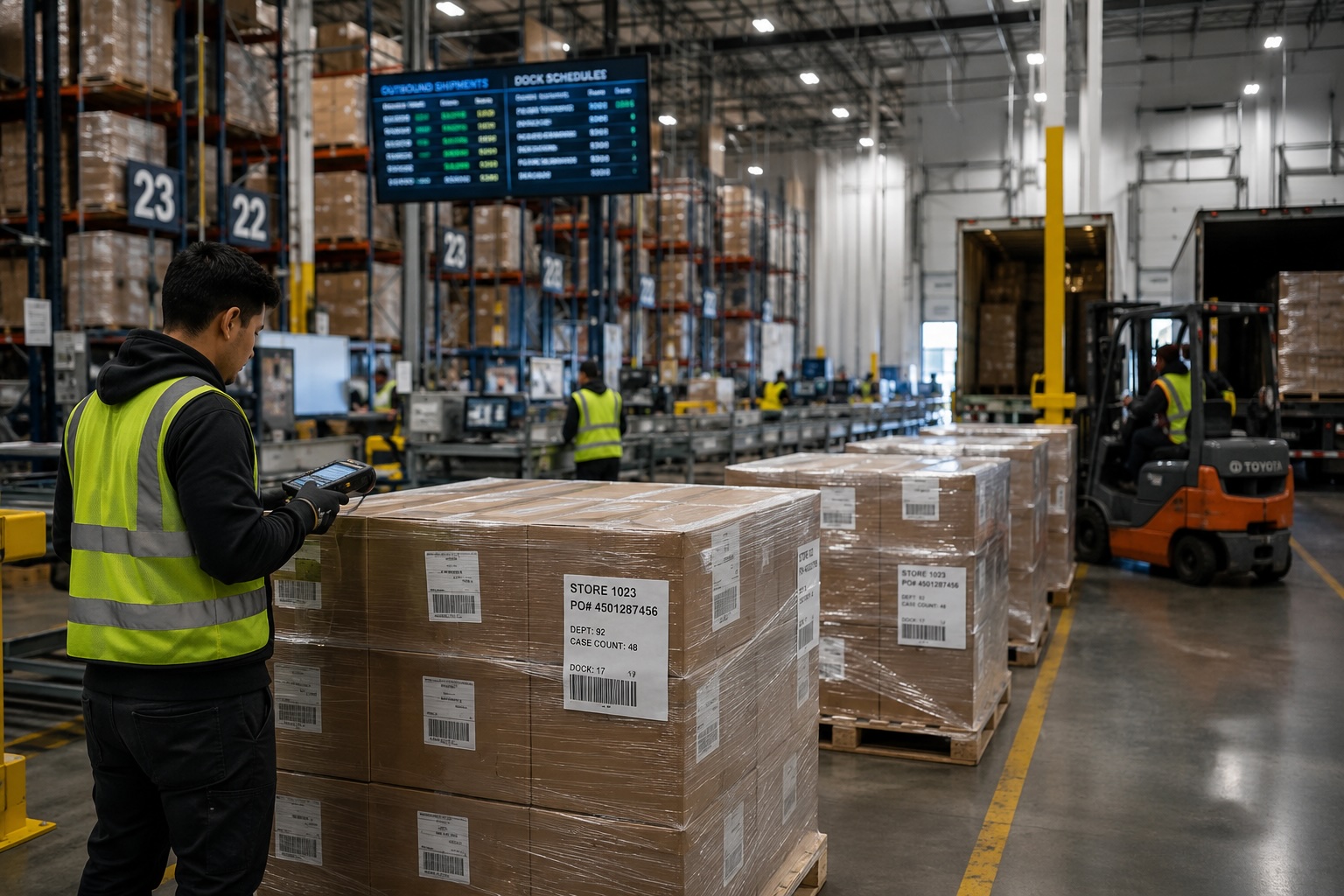
Orders are larger. Shipment requirements are stricter. Retailers often require specific pallet configurations, labeling standards, routing guide compliance, ASN submission, appointment scheduling, and delivery timing coordination.
Each retailer may operate differently.
That means fulfillment teams aren’t just managing inventory movement. They’re managing retailer-specific operational requirements that need to be executed consistently and accurately.
As order volume increases, those requirements become more difficult to coordinate across systems, warehouses, and transportation timelines.
This is where operational maturity starts to matter.
“B2B fulfillment exposes weak systems quickly. Retailers operate on process, timing, and consistency. There’s very little room for operational drift.” — Steven Anderson, CEO, NDN Fulfillment

Many 3PLs are built around moving packages efficiently.
B2B fulfillment requires much more than movement.
It requires coordination, compliance, visibility, and process control across multiple operational layers.
Early on, gaps in those systems may not be obvious.
As retailer requirements increase, those gaps become harder to manage manually.
Retailers operate with strict fulfillment requirements.
That includes:
Small deviations can create larger operational consequences.
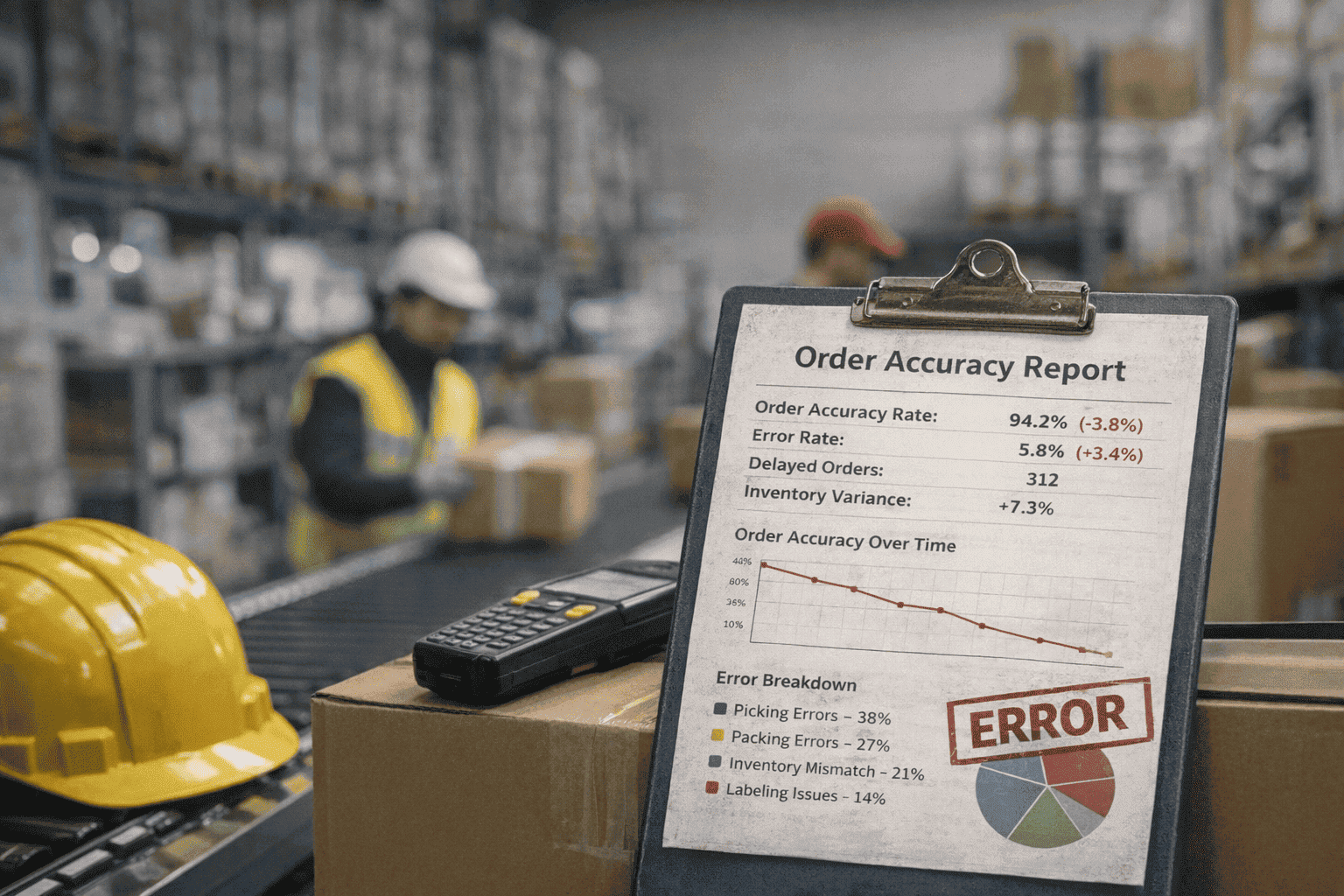
Shipments may be rejected. Retailers may issue chargebacks. Inventory may need to be relabeled, rescheduled, or rerouted.
These issues create cost, delays, and additional operational friction.
And as retailer volume increases, the margin for error gets smaller.
B2B fulfillment requires coordination across inventory, warehousing, transportation, and retailer systems.
Without clear operational visibility, issues often surface too late.
Inventory discrepancies may not appear until orders are being prepared. ASN issues may not be identified until shipment processing begins. Retail scheduling conflicts can delay inventory movement across the entire operation.
At lower volume, teams can often work around these issues manually.
At scale, those workarounds stop being sustainable.
The operation becomes reactive instead of controlled.
As retailer relationships expand, operational variability increases.
Different retailers require:
“In B2B fulfillment, small process issues turn into bigger operational problems fast. One labeling mistake or scheduling miss can disrupt multiple shipments downstream.” — Logan Anderson, Fulfillment Operations Manager, NDN Fulfillment
Without structured systems in place, fulfillment teams start relying on tribal knowledge and manual coordination to keep operations moving.
That creates inconsistency.
And inconsistency becomes expensive in B2B fulfillment environments.
Most B2B fulfillment failures don’t look dramatic at first.
Individually, these issues may appear manageable.
The problem is how quickly they compound operationally.
Over time, operational inconsistency starts affecting more than fulfillment performance.
It affects the ability to scale retail and wholesale relationships reliably.
A strong B2B fulfillment operation is built around consistency, visibility, and process control.
Retailer and wholesale fulfillment requirements need to be executed accurately, repeatedly, and at scale.
That requires infrastructure designed to support increasing operational demands from the beginning.
Retailers expect consistency.
That means fulfillment systems need to support:
Strong B2B fulfillment partners build these requirements directly into operational workflows instead of managing them manually.
That reduces the likelihood of retailer penalties, rejected shipments, and avoidable delays.
As operational complexity increases, visibility becomes more important.
B2B fulfillment requires accurate coordination across:
Without clear visibility, small operational issues can escalate quickly.
A strong fulfillment partner provides systems that allow teams to identify issues early and respond before they impact retailer timelines or inventory flow.
Retail fulfillment environments require flexibility, but that flexibility needs structure behind it.
Different retailers may require different workflows, packaging configurations, or shipment procedures.
Strong B2B operations are designed to manage that variability without creating inconsistency across execution.
That’s where standardized operational systems become critical.
They allow the fulfillment process to remain controlled even as retailer requirements become more complex.
As wholesale relationships expand, communication volume increases across retailers, transportation providers, warehouses, and internal teams.
Without structured communication systems, delays and operational confusion become more common.
A mature B2B fulfillment operation creates clear accountability around:
That structure becomes increasingly important as order volume and retailer complexity grow.
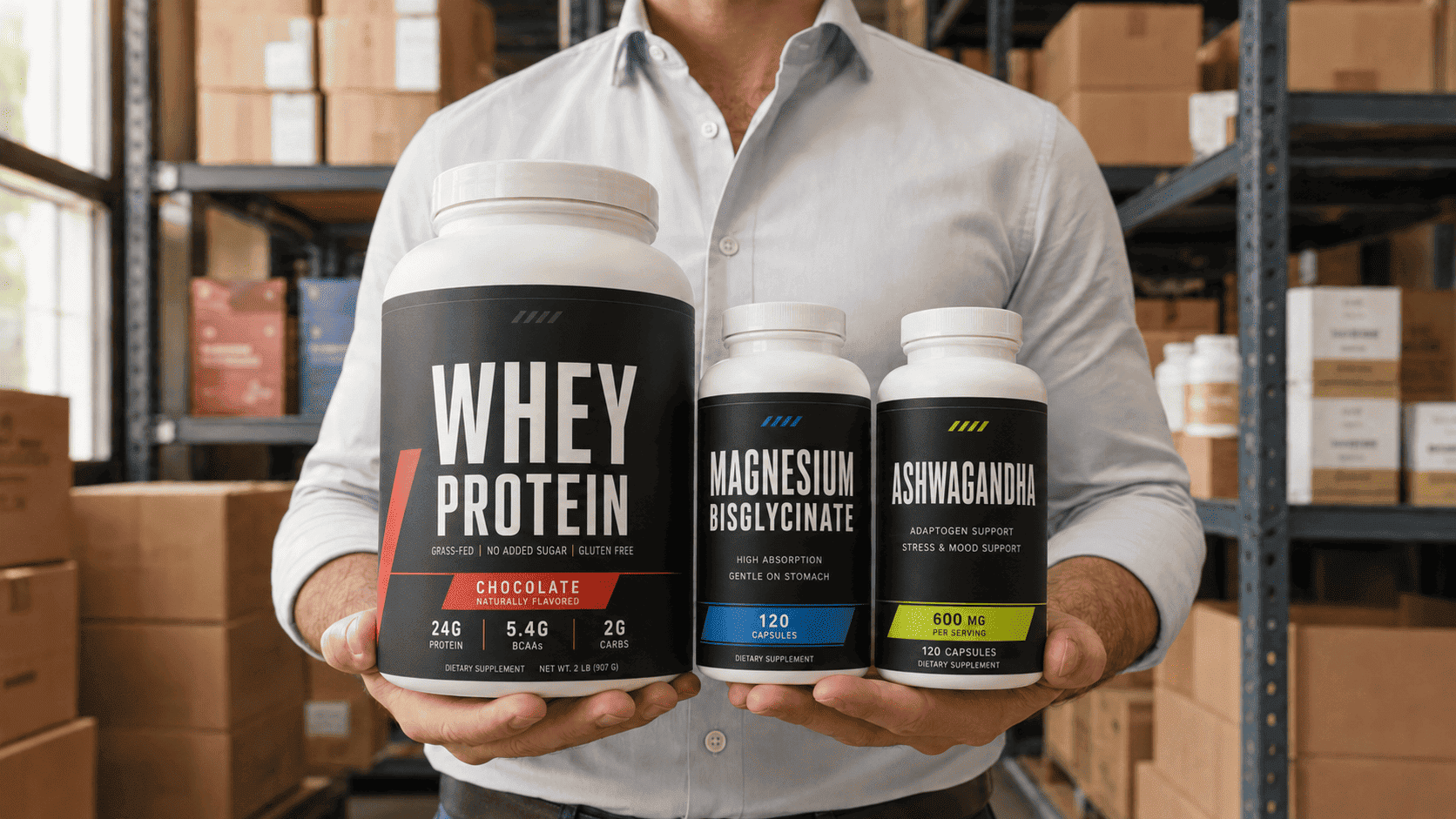
One of the biggest operational challenges for supplement, beauty, and health & wellness brands is coordinating inventory movement between production and fulfillment.
When manufacturing and fulfillment operate independently, delays and visibility gaps become more common.
Inventory may arrive late. Product availability may become misaligned with retailer timelines.
Communication slows down across operational handoffs.
An integrated supplement manufacturing and fulfillment model reduces those points of friction by improving:
For growing brands, that alignment creates more control across the supply chain.
Operational precision becomes even more important in regulated and high-touch product categories.
Dietary supplement, beauty, and health & wellness brands often require:
As retailer expectations increase, operational errors create larger consequences.
A labeling issue may trigger retailer penalties.
Inventory inconsistencies may disrupt launches or promotions.
Compliance failures may affect retailer relationships and customer trust.
These aren’t isolated fulfillment issues.
They directly affect fulfillment reliability and brand reputation.
That’s why fulfillment infrastructure matters more as brands scale into retail and wholesale distribution.
Most brands evaluate fulfillment partners based on current needs.
B2B fulfillment requires evaluating operational readiness for increasing complexity.
That means looking beyond shipping speed and warehouse capacity.
The real evaluation is whether the operational structure can support retail, ecommerce, and wholesale growth without introducing additional friction.
B2B fulfillment introduces a level of operational complexity that many fulfillment systems aren’t built to handle.
At lower volume, operational gaps can often be managed manually.
As retailer relationships expand and order volume increases, those gaps become harder to control.
That’s where fulfillment performance starts affecting more than logistics.
It affects retailer relationships.
Operational consistency.
Inventory visibility.
And the ability to scale wholesale distribution reliably.
Weak fulfillment systems can continue functioning for a while under manageable complexity.
Growth is what exposes whether the operational structure behind them was actually built to scale.
B2B fulfillment is the process of shipping products to other businesses, such as retailers and wholesale partners, rather than to individual consumers. Orders are larger and often move on pallets by freight. They also carry retailer-specific requirements: routing guide compliance, pallet configuration standards, labeling rules, ASN submission, and scheduled delivery windows. The goal is accurate, compliant delivery at scale, not just fast shipping. As order volume and the number of retail relationships grow, meeting those requirements consistently becomes the real operational challenge.
DTC fulfillment is built around speed and individual order execution. B2B fulfillment is built around operational precision at scale. Orders are larger, shipment requirements are stricter, and each retailer may enforce its own pallet configurations, labeling standards, routing guides, ASN submission, and delivery timing. That means fulfillment teams manage retailer-specific requirements, not just inventory movement. Processes that work well in DTC can break down once retail and wholesale rules are layered in. As volume rises, coordinating those requirements across systems, warehouses, and transportation becomes harder.
Most fulfillment systems are designed to move orders efficiently, not to manage retailer requirements at scale. That gap shows up in three ways. Compliance can break down when pallet, labeling, routing, ASN, or scheduling rules are missed, which leads to rejected shipments and chargebacks. Visibility often falls short, so inventory or ASN issues surface too late to fix cleanly. And processes become hard to standardize as each retailer adds different labeling, packaging, and scheduling requirements. At low volume, teams work around these gaps manually. At scale, those workarounds stop being sustainable.
Retailer compliance covers the specific rules a shipment must meet to be accepted without penalty. Common requirements include pallet specifications, labeling standards, routing guides, carton configuration rules, ASN and EDI submission, and delivery scheduling windows. Each retailer may operate differently, so the same order can carry different rules depending on the buyer. Small deviations can create larger consequences: shipments may be rejected, retailers may issue chargebacks, and inventory may need to be relabeled, rescheduled, or rerouted. As retailer volume grows, the margin for error gets smaller.
Most B2B fulfillment failures start small. A shipment gets delayed. A label needs correction. A pallet configuration gets rejected. An ASN contains incorrect information. Individually, these look manageable. The problem is how quickly they compound. A delayed shipment can affect inventory availability, which can disrupt future retailer orders. Retailer penalties reduce margin. Repeated compliance issues strain relationships and reduce trust. Over time, operational inconsistency affects more than fulfillment performance. It affects the ability to scale retail and wholesale relationships reliably.
Look for operational readiness for increasing complexity, not just shipping speed and warehouse capacity. A strong B2B partner builds retailer requirements directly into its workflows: routing guide compliance, ASN and EDI coordination, labeling accuracy, pallet standards, and appointment scheduling. It provides real-time visibility across inventory, inbound shipments, and outbound scheduling so issues surface early. It also standardizes systems to handle retailer variation without creating inconsistency. Useful questions to ask: How is retailer compliance managed? How is inventory tracked across channels? What happens when operational issues occur?
These categories are regulated and high-touch, so operational precision carries more weight. Supplement, beauty, and health and wellness brands often need lot tracking and traceability, expiration management, retailer compliance coordination, packaging consistency, and inventory accuracy across many SKUs and channels. As retailer expectations increase, errors create larger consequences. A labeling issue may trigger retailer penalties. Inventory inconsistencies may disrupt launches or promotions. Compliance failures may affect retailer relationships and customer trust. For these brands, fulfillment reliability is tied directly to brand reputation.
When manufacturing and fulfillment operate independently, delays and visibility gaps become more common. Inventory may arrive late, product availability may fall out of sync with retailer timelines, and communication slows across operational handoffs. Aligning the two reduces those friction points by improving inventory coordination, production-to-warehouse flow, operational visibility, and speed to retailer fulfillment. For growing supplement, beauty, and wellness brands, that alignment creates more control across the supply chain, which matters most when retailer delivery windows and compliance requirements leave little room for handoff delays.
Use our Fulfillment Fees Calculator to evaluate your current fulfillment structure and identify operational gaps that may impact retail and wholesale growth.
If you’re evaluating B2B fulfillment partners, request a quote to see how your operation can be structured to support retailer compliance, inventory visibility, and scalable fulfillment execution.