Operational Strategies and 3PL Expertise for Modern Health and Wellness Brands Scaling DTC, Retail, and Wholesale Operations
Most brands don’t realize how critical fulfillment is until something breaks.
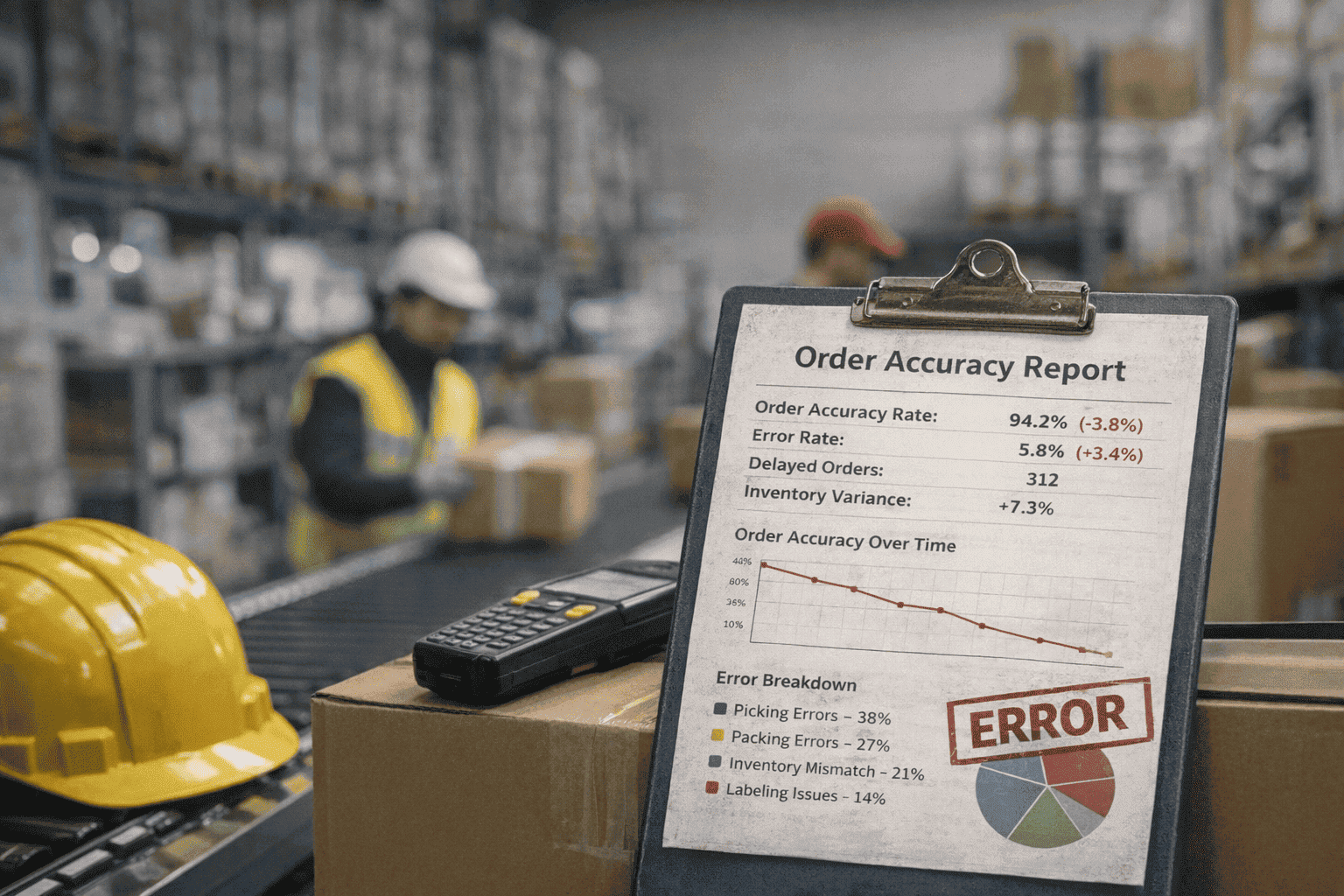
Orders go out late. Packaging is inconsistent. Mistakes start stacking up.
And customers notice.
84% of consumers say they won’t return after a poor post-purchase experience (Source: Narvar).
That means a single failure in fulfillment isn’t just a one-time issue. It’s lost lifetime value.
“Most brands don’t realize their fulfillment is broken until their customers start leaving.” — Steven Anderson, CEO, NDN Fulfillment
And yet, many brands choose a 3PL based on price, shipping speed, or location.
Those are surface-level metrics. They don’t tell you how a partner will perform when your business starts to scale.
That’s why many end up switching providers within the first year.
But switching partners doesn’t fix the underlying problem. It just resets it.
Because choosing a 3PL isn’t just a logistics decision. It’s a growth decision.
At a glance, most 3PL fulfillment providers look similar.
They promise:
But those aren’t the factors that determine long-term success.
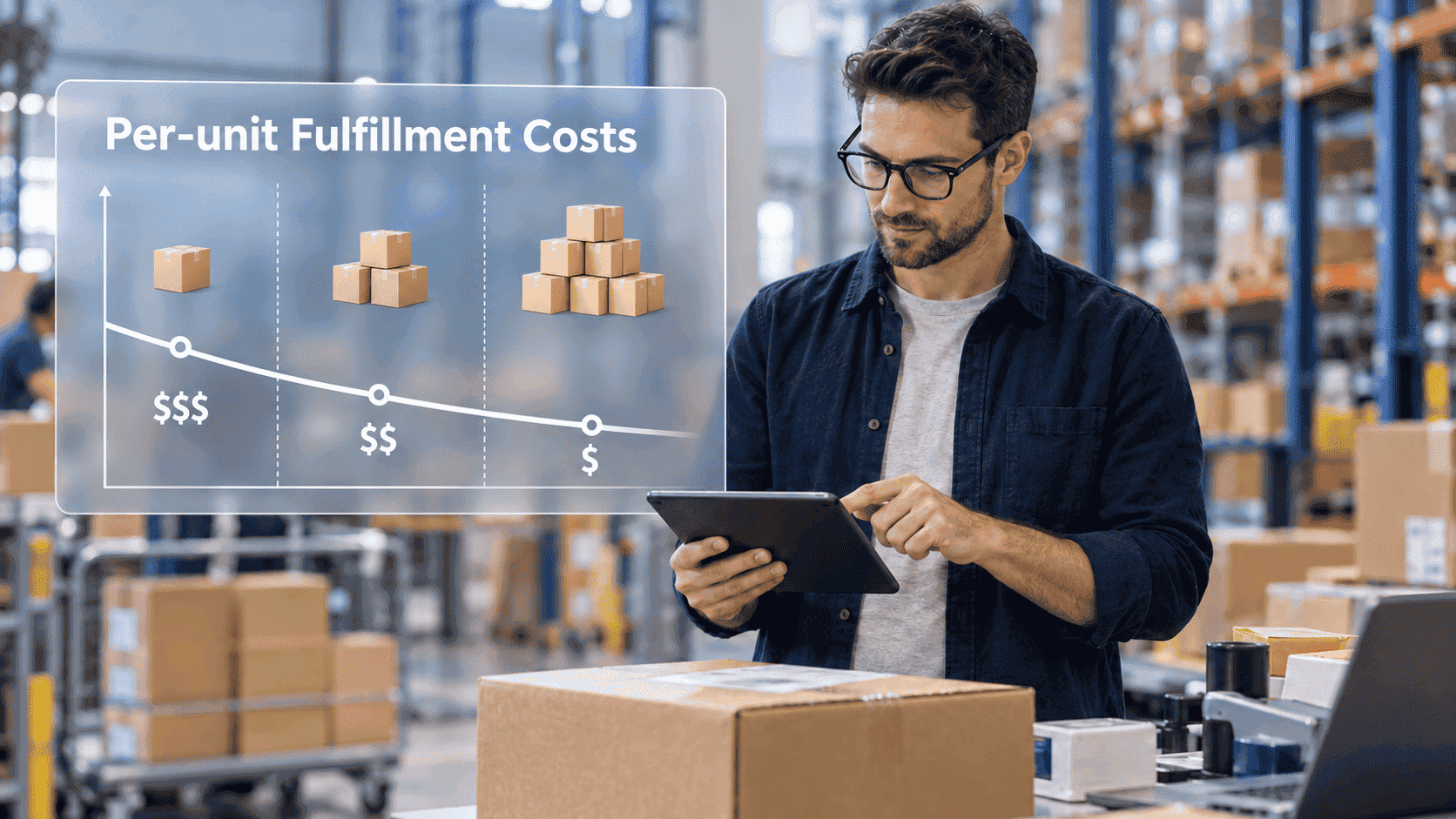
Lower fulfillment costs often come with tradeoffs:
What looks affordable upfront becomes expensive as you scale.
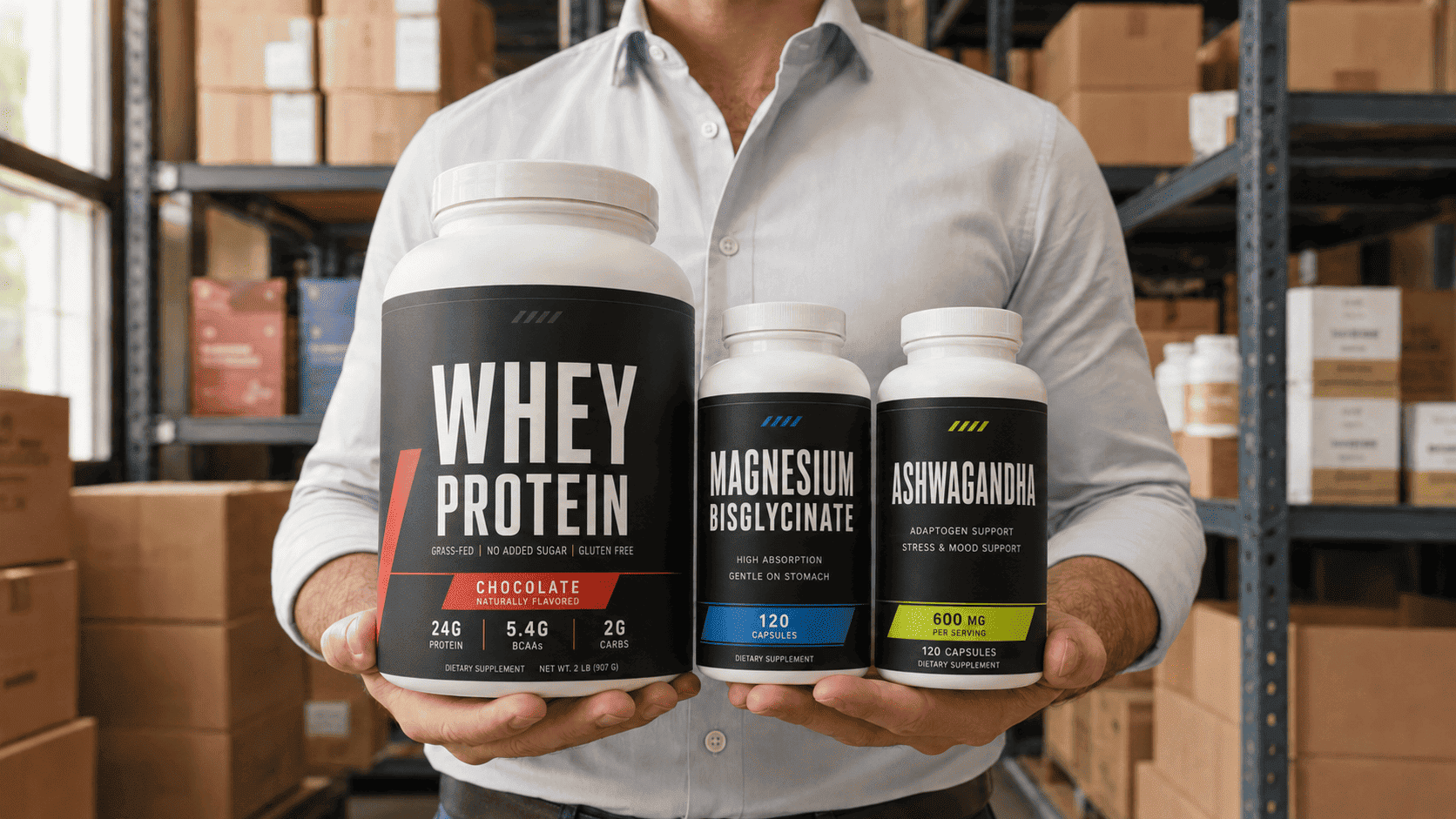
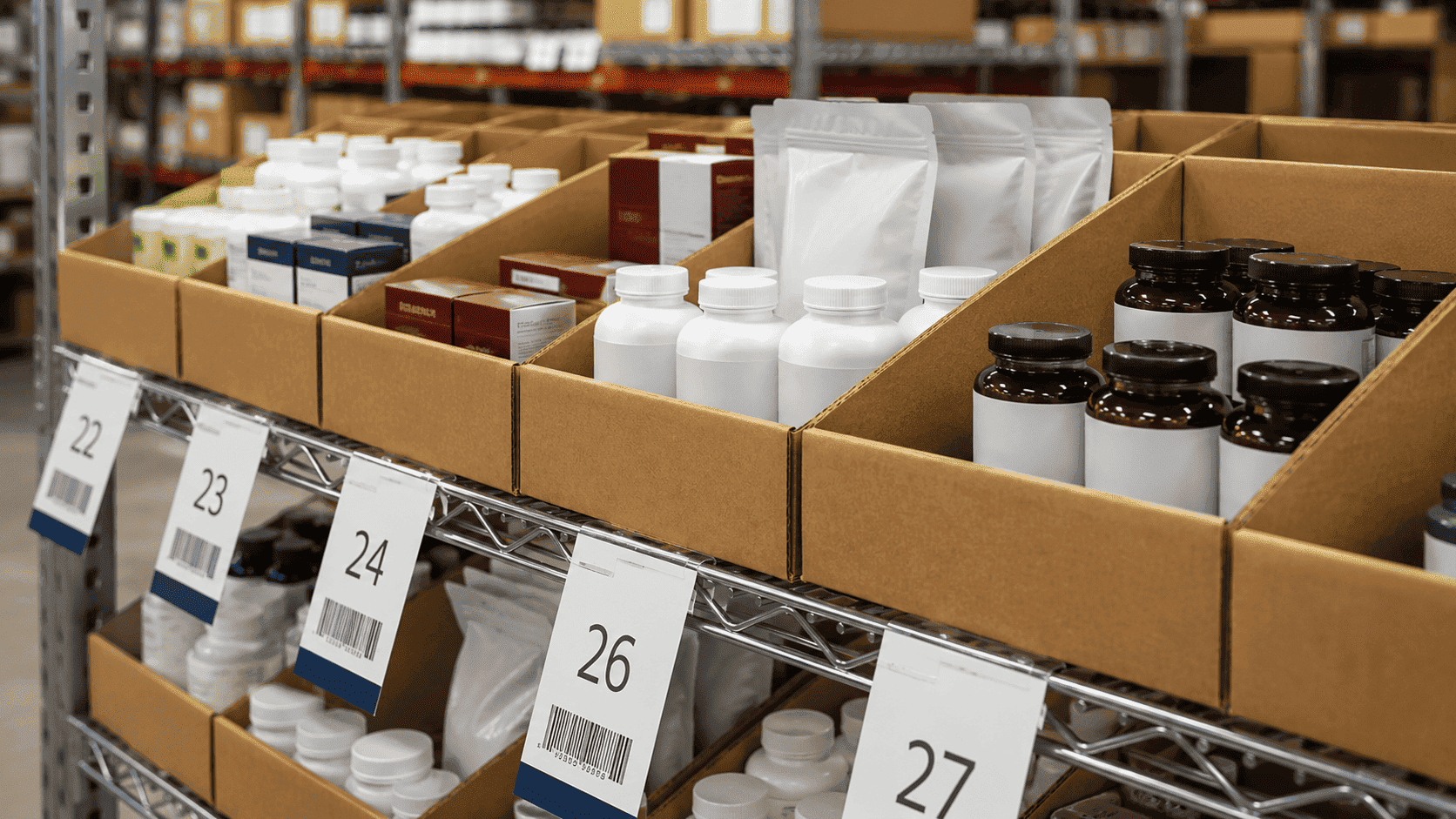
Fulfillment for health & wellness, beauty & skincare , and dietary supplement brands involves more than shipping orders.
It includes:
When these break, the impact shows up in your customer experience.

Brands in dietary supplements, beauty, and CPG require more advanced handling:
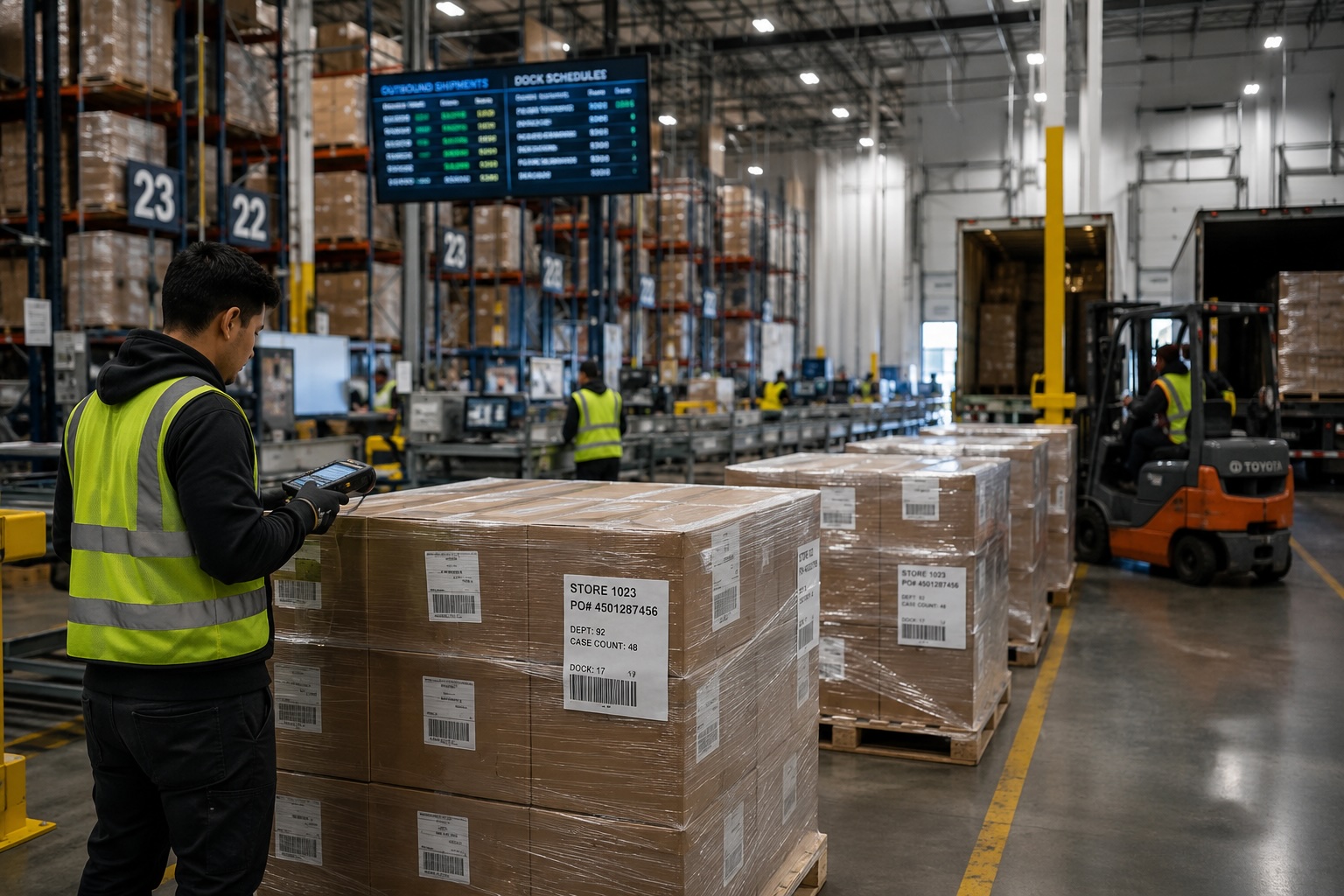
Direct-to-consumer fulfillment is only one part of the equation.
Retail and wholesale introduce:
Your fulfillment partner directly impacts how your brand is experienced.
Packaging consistency, order accuracy, and delivery speed all shape customer perception.
Where your 3PL ships from decides how fast and how cheaply orders reach your customers. A centrally located warehouse can reach most of the contiguous US in about two business days, which is usually enough for subscription and repeat-order brands whose customers reorder before they run out. Very high-volume brands that need same-day reach in every region may need multiple warehouses instead. Match the location model to how your customers actually buy.
The technology behind a 3PL decides how much of fulfillment you actually have to think about. Strong systems keep inventory accurate, orders moving, and your team out of the logistics weeds. Weak systems push all of that back onto you.
Before you commit, look closely at three things:
Your 3PL’s warehouse management system should connect directly to the platforms you already sell on. Ask whether integration with Shopify, WooCommerce, or Amazon is native or whether it needs custom development every time something changes. Native connections mean orders flow in and tracking flows back out without manual uploads. Custom-built ones tend to break quietly, usually at the worst possible time. For brands selling across more than one channel, one synced inventory pool across every channel matters more than any single feature.
You should be able to see your inventory and order status without emailing your 3PL for an update. Look for live inventory counts, order status at each stage, and a client dashboard you can actually log into. Real-time data is what lets you make marketing and reorder decisions with confidence instead of guessing. If the only way to check stock is to ask someone, that is not visibility. It is a delay dressed up as a service.
Ask for the daily cutoff time, and get it in writing. The cutoff is the deadline an order has to hit to ship that same day, and it shapes the delivery promise you can make to customers. A provider quoting next-business-day fulfillment with an 11 a.m. cutoff is very different from one that batches orders every 48 hours. Match the cutoff against your peak order times, because a cutoff that lands before your busiest sales window quietly slows a big share of your shipments.
For supplement, beauty, and other CPG brands, compliance is not optional.
But many 3PLs treat it as a secondary concern.
A compliant fulfillment partner should support:
Without these systems in place, the risks increase:
Most brands don’t think about operational structure until it starts slowing them down.
On paper, the model looks simple:
Manufacturer → warehouse → customer
In practice, every handoff introduces friction.
Inventory has to be transferred, received, checked, and re-entered into a new system. Communication moves across teams that don’t share the same priorities or visibility.
Small delays compound. Small errors multiply.
Over time, this creates real operational drag.
It shows up as:
And as order volume grows, these issues don’t stay contained. They scale with you.
Disconnected systems don’t just create inefficiency. They reduce control.
When manufacturing and fulfillment operate separately:
This is where many brands start to feel stuck.
They’re growing, but their infrastructure isn’t keeping up.
An integrated manufacturing and fulfillment approach improves speed, control, and accuracy. Brands working with partners that offer both dietary supplement manufacturing and fulfillment reduce friction across the entire process.
Instead of managing handoffs, you’re operating within a unified flow.
That leads to:
Most importantly, it creates consistency.
And consistency is what allows you to scale without breaking your customer experience.
At low volume, fragmentation is manageable.
At scale, it becomes a constraint.
More SKUs, more orders, and more complexity amplify every inefficiency in your system.
Brands that stay fragmented often compensate with:
That’s not scalable.
Brands that move toward integrated operations reduce that overhead and create a more stable foundation for growth.
For supplement, beauty, and CPG brands in particular, where compliance, accuracy, and presentation all matter, alignment between manufacturing and fulfillment isn’t just operationally efficient.
It’s a competitive advantage.
Not all 3PL companies operate at the same level.
Here’s what to prioritize when evaluating a fulfillment partner:
Clear cost structures with no hidden fees.
A defined process for inventory intake, system setup, and go-live.
Performance guarantees for:
Proven ability to handle supplement, beauty, or CPG fulfillment requirements.
Technology and processes that support growth without breaking.
Use these questions to evaluate potential fulfillment partners:
A strong 3PL fulfillment partner provides:
The best 3PL for your brand isn’t just the lowest cost option.
It’s the partner that can:
The wrong choice creates friction.
The right choice removes it.
Supplement, beauty, and CPG orders carry requirements that general merchandise does not. You need expiration and best-by date tracking, batch and lot control for traceability, and storage conditions that protect product integrity. Many items also ship on subscription, so accuracy and consistency compound over repeat orders. A 3PL without these systems can create recall exposure, retailer chargebacks, and customer safety issues. That is why category experience matters more than a low per-order rate when you pick a fulfillment partner.
For most subscription and repeat-order brands, a centrally located 3PL is enough. A central warehouse can reach the bulk of the contiguous US in roughly two business days, and customers who reorder before running out rarely need faster. Multiple regional warehouses mainly help brands shipping very high daily volume that need same-day or one-day delivery everywhere. Splitting inventory across sites also adds cost and complexity. Match the location model to how your customers actually order, not to a map.
Yes, if you sell on those platforms. Your 3PL’s warehouse management system should connect directly to your sales channels so orders flow in and tracking flows back automatically. Ask whether the integration is native or requires custom development, since custom builds tend to break when a platform updates. Brands selling across several channels should confirm the 3PL can manage one synced inventory pool across all of them, rather than tracking each channel separately.
The cutoff time is the deadline an order must hit to ship that same day, and it defines your real delivery promise. A provider offering next-business-day fulfillment with an 11 a.m. cutoff moves far faster than one batching shipments every couple of days. Ask for the exact cutoff in writing, then compare it against your busiest sales hours. If the cutoff lands before your peak order window, a large share of daily orders will quietly wait until the next cycle.
When one partner handles both manufacturing and fulfillment, product moves straight from production into fulfillment without a transfer between separate companies. That removes handoffs where inventory gets re-received, re-entered, and delayed. The payoff is faster time to market, more accurate inventory, and tighter quality control across the whole process. As order volume grows, brands that keep the two functions separate tend to absorb more errors and more manual coordination. Integration turns that drag into a more stable base for growth.
A scalable 3PL should absorb seasonal spikes without slower shipping or a drop in accuracy. Ask how they staff and plan for peak periods, and whether cutoff times and SLAs hold when volume climbs. The warning sign is a provider that runs smoothly at your current volume but has no clear plan for two or three times that. Because peak season is when fulfillment mistakes are most visible to customers, this is worth pressing on before you sign.
If you’re evaluating 3PL fulfillment providers, start with a structured approach.
Use our Fulfillment Fees Calculator to estimate your true fulfillment costs and identify where your current setup may be creating inefficiencies.
Or, if you’re ready to evaluate your options, request a quote to see how your fulfillment operation can be built to support your next stage of growth.